VERTEX · DISC PROFILING & AFTERSALES COMMUNICATION
Understand the person. Improve the conversation.
A technically correct explanation can still leave a customer uncertain. Behavioural awareness helps your team adapt the pace, detail and structure of the conversation while keeping the facts and commitments consistent.
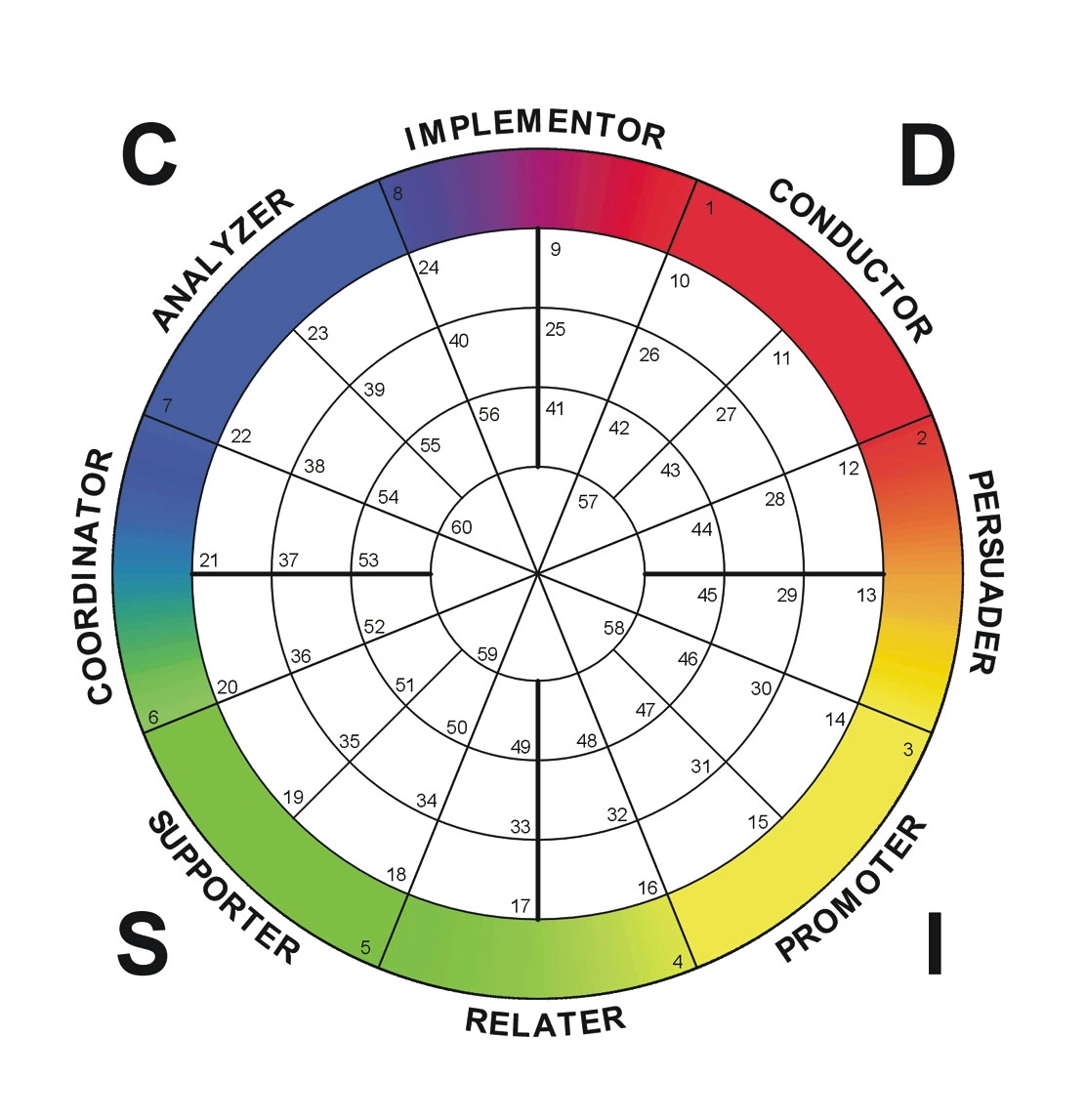
A framework for exploring different preferences. This illustration is not an individual assessment result.
THE AFTERSALES REALITY
The process can be right. The customer can still feel unheard.
A customer asks when their vehicle will be ready. The advisor explains the diagnostic process, the parts position and the workshop schedule. The customer leaves without a clear answer about their next update or mobility arrangements.
The missing step is often understanding what the customer needs from that conversation. One person wants the decision first. Another needs the evidence. Someone else needs time to explain how the delay affects their day.
Vertex connects behavioural awareness to those moments, helping teams make explanations clearer and ownership of the next action more visible.
FOUR BEHAVIOURAL PREFERENCES
Adapt your approach to what the person needs.
Use these styles as prompts for discussion. People can show a blend of preferences and behave differently in different situations. Ask what would help rather than deciding someone’s profile from a brief encounter.
D
Dominance
A preference for progress, decisions and a clear outcome.
In the conversation: lead with the current position, give the available options and state the next action and time.
Watch for: a long explanation that delays the answer, or a confident promise your team cannot deliver.
“The vehicle needs further diagnosis. I can arrange transport now, and I will update you by 3 pm even if the diagnosis is still in progress.”
I
Influence
A preference for interaction, engagement and an open conversation.
In the conversation: build rapport, acknowledge the impact and bring the discussion back to an agreed plan.
Watch for: a friendly conversation that ends without a clear decision or written confirmation.
“I understand this has disrupted your plans. Let us agree the transport option that works for you, and I will send you the update time in writing.”
S
Steadiness
A preference for a measured pace, support and a predictable next step.
In the conversation: explain the sequence, listen without rushing and give space for questions.
Watch for: interpreting a quiet response or polite agreement as evidence that everything is understood.
“First we will complete the checks. I will then explain what we have found and discuss the options with you. What would you like me to go through again?”
C
Conscientiousness
A preference for evidence, accuracy and a structured explanation.
In the conversation: separate confirmed findings from assumptions, explain costs and provide a clear written summary.
Watch for: vague assurances, unexplained charges or estimates presented as confirmed facts.
“These are the checks completed so far. This finding is confirmed; the cause is still under investigation. I will set out the next checks and any proposed costs before asking for your authority.”
The examples illustrate communication approaches, not scripts for diagnosing a customer’s style. Terminology varies by assessment provider; C is also described as Compliance in some frameworks. An assessment should be interpreted using its own provider’s guidance.
Give the person space to explain before moving to the solution.
LISTEN · RESPOND · ACT
Make understanding visible.
Listen to the whole concern
Let the customer finish. Ask about the effect on their day as well as the vehicle symptom. Check for practical barriers such as noise, hearing needs, language or unfamiliar terminology.
Respond in plain language
Summarise the concern, explain the known facts and check the level of detail they need. Replace workshop shorthand with an explanation the customer can use.
Act on an agreed next step
Confirm who owns the action, what needs authorisation and when the next update will happen. Record the agreement so the next colleague can continue the conversation accurately.
“Let me check I have understood. Your main concern is having transport for tomorrow. Have I captured that correctly?”
A CONVERSATION YOUR TEAM WILL RECOGNISE
One repair delay. Several ways to explain it.
The facts stay the same: the part arrival date is unconfirmed, transport options need checking and the next update is due at 3 pm. Open an example to see how the explanation can change without changing the promise.
The customer wants a decision now
“We cannot confirm the repair completion date until the part arrival is confirmed. I will check transport options now and call you at 3 pm with the latest position.”
Lead with the position and available action. Keep uncertainty explicit.
The customer wants to talk through the impact
“Tell me what the delay means for your plans. I can then check the transport options that would help. I will call you at 3 pm, including if the part arrival is still unconfirmed.”
Acknowledge the disruption, then agree a specific next contact.
The customer wants reassurance about the process
“I will check the part position and the transport options, then call you at 3 pm to explain what happens next. We do not yet have a confirmed part arrival date. Is there anything about the next step you would like me to explain?”
Explain the sequence and invite questions without rushing the response.
The customer wants the evidence and detail
“The current parts record does not show a confirmed arrival date. I will check the latest supplier information and transport availability, then give you an update at 3 pm. I will distinguish confirmed information from any estimate.”
Show the basis of the information and separate an estimate from a commitment.
FROM TRAINING TO PERFORMANCE
Coach the behaviour. Measure the operational effect.
Choose a real communication problem before starting the programme. A profile can support reflection, but improvement needs practice, feedback and evidence from the operation.
Service reception
Review whether customers understand proposed work, costs and authorisation. Track avoidable clarification calls and complaints about unexpected charges.
Workshop and parts handovers
Check whether status updates distinguish confirmed information from estimates. Review missed update commitments and repeated requests for the same information.
Managers and team leaders
Observe real conversations, agree one behaviour to practise and review it in coaching. Compare customer feedback and repeat contact before and after the change.
Use the measures alongside workload, staffing and process evidence. A change in results should not automatically be attributed to profiling or training alone.
VERTEX DEVELOPMENT APPROACH
A profile starts the conversation. Practice changes the experience.
01
Understand
Explore individual preferences through an appropriate assessment and a facilitated discussion.
02
Apply
Rehearse situations from your operation, including authorisation, delays, complaints and team handovers.
03
Coach
Give managers a clear observation and feedback routine to support the agreed behaviours.
04
Review
Check whether communication and operational measures improve, then adjust the approach.
This page introduces a development approach. It does not provide a scored assessment or determine a person’s ability, suitability for a role or mental health. No behavioural style is inherently better than another.
DISC FOR AUTOMOTIVE TEAMS
Where does the conversation break down in your business?
Tell Vertex about the communication challenge, the roles involved and the customer or commercial effect. We can shape a development programme around the situations your team actually faces.